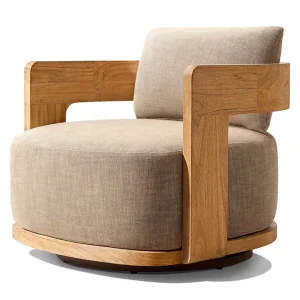
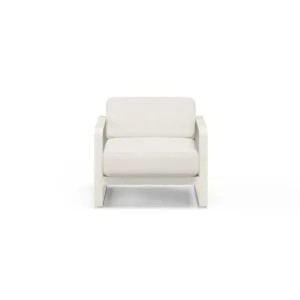
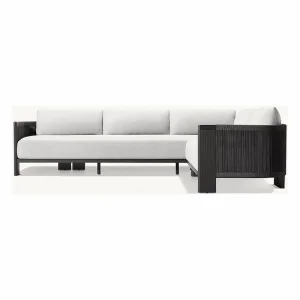
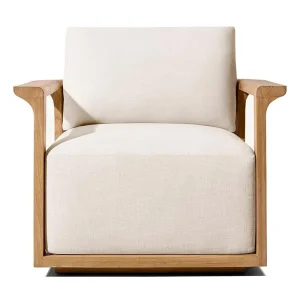
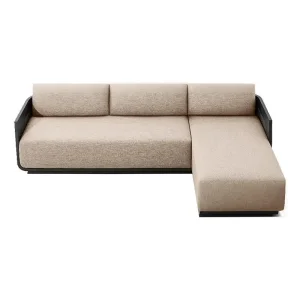
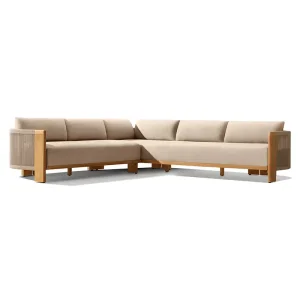
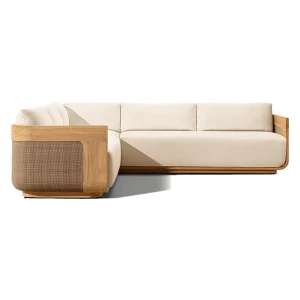
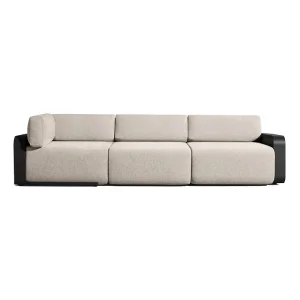
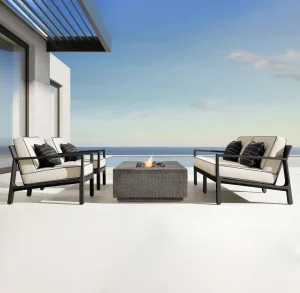
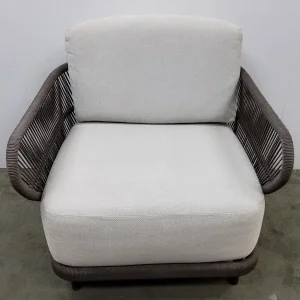
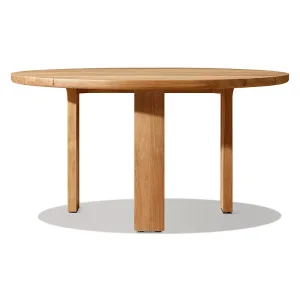
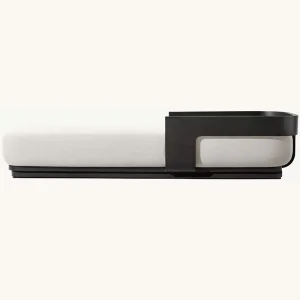
For commercial landscapes, hotel terraces, resorts, villas, and public outdoor spaces, buyers increasingly source planters and outdoor furniture as one coordinated package. The original product URLs and descriptions below are preserved for project reference and supplier traceability.
The query is usually not a retail search. It is a commercial sourcing signal from landscape architects, hotel owners, contractors, purchasing teams, distributors, and real estate developers looking for a manufacturing partner that can control design, material performance, drainage, finish, packing, and delivery.
In the commercial landscape market, OEM planters are engineered products, not merely decorative pots. A hotel rooftop may require lightweight fiberglass planters with concealed forklift pockets, self-watering reservoirs, UV-stable finishes, and wind-load documentation. A mixed-use plaza may require heavy GRC or steel planters that resist impact, public contact, cleaning chemicals, and theft. A resort may specify A-grade teak or powder-coated aluminum to coordinate with outdoor furniture, shade structures, and decking. The buyer’s intent therefore combines product discovery with risk reduction: can the supplier make the required dimensions, match the color, protect the finish, hit the installation date, and provide documents that satisfy the project owner?
For Google and for serious B2B buyers, the difference between a thin catalog page and a high-value supplier page is information gain. A useful page explains the procurement variables that competitors often omit: internal liner material, drainage slope, overflow design, anchoring method, UV testing, salt-spray performance, color tolerance, carton drop testing, mixed-container loading, and replacement-part planning. This guide is written with that level of detail, while preserving the original JIANGYIREN product and company information supplied for this page.
Buyers want proof of factory capability, not only a price table. They compare custom dimensions, material options, finishing standards, MOQ, sampling, engineering support, and export experience.
Planters frequently ship with outdoor sofas, dining sets, sun loungers, side tables, and accessories. A coordinated supplier reduces color mismatch, packaging complexity, and multi-vendor project risk.
Professional buyers ask about production lead time, pre-shipment inspection, loading efficiency, spare parts, warranty terms, and after-sales response before they issue a purchase order.
10 years OEM/ODM manufacturer, customized personalized solutions for you.
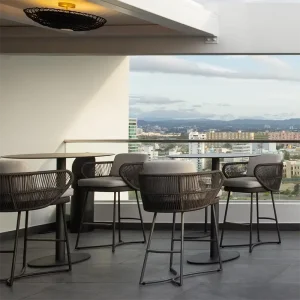
South American A-grade teak wood produced a high-end teak bar stool set.
Foshan City Artisan Wood Industry Co., Ltd. is a factory and trade integration company, founded in 2015, located in Foshan City, Guangdong Province, with a total plant area of 15,000 square meters, our company focuses on high-end outdoor furniture production, is a high-end imported teak wood and aluminum alloy outdoor furniture based on the production and manufacturing enterprises.
For project buyers, that combination of factory and trade integration is valuable: it supports direct production control, export coordination, sample development, and one-stop procurement. In planter and outdoor furniture packages, the same production discipline is needed for color consistency, dimensional accuracy, packaging protection, and shipment planning.
Outdoor Furniture One-Stop Solution Experts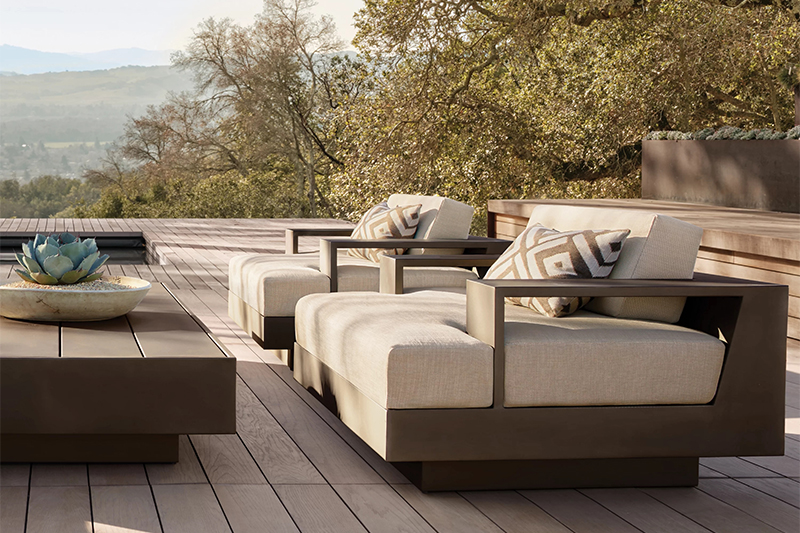
Commercial and industrial demand for planters has shifted from decorative purchasing to performance-based specification. The strongest drivers are urbanization, hospitality renovation, green building targets, rooftop activation, transit upgrades, healthcare and campus landscaping, and the integration of indoor and outdoor living.
In the United States, Europe, the Middle East, and Asia-Pacific urban markets, property owners must satisfy multiple demands at once: visual identity, weather resistance, fire safety, maintenance cost, wind stability, public safety, and sustainability reporting. Architectural planters and OEM planters are increasingly treated as part of the building envelope and the public realm experience. They define entrances, separate vehicle and pedestrian zones, soften concrete facades, support biophilic design, and create flexible social spaces.
Hotels and resorts use large planters to maintain visual consistency across lobbies, pool decks, cabanas, restaurants, and garden villas. Commercial offices use modular planters for terraces and internal gardens. Public projects require vandal resistance and replacement-part availability. Industrial campuses require low-maintenance materials that tolerate sun, rain, and pollution. As a result, global buyers are asking suppliers to provide shop drawings, test data, finish samples, installation logic, and container-loading plans, not simply a product photo.
The outdoor furniture category follows the same logic. A teak sofa set, aluminum modular sofa, sun lounger, or dining set must survive the same climate and service environment as the surrounding planters. Coordinated material palettes, consistent finish standards, and one packaging plan reduce installation friction and protect the owner’s brand experience.
Indicative procurement priorities based on typical OEM planter and outdoor furniture RFQ discussions. Actual weights vary by project type, climate, and owner standards.
China’s competitive advantage is not only unit cost. It is the depth of the manufacturing ecosystem: material supply, tooling, metal fabrication, powder coating, weaving, finishing, packaging, export documentation, and fast sample iteration are concentrated within a practical geographic radius.
From teak sourcing, metal fabrication, weaving, and assembly to final inspection, a vertically integrated factory can shorten communication loops and control critical quality points before shipment.
For OEM planters, a factory must translate concept sketches into producible shop drawings. Experienced production teams identify drainage, demolding, welding, coating, and packaging constraints early.
Commercial projects often expand in phases. Controlled powder coating, stain formulas, and finish sample libraries help maintain visual consistency across repeat orders and mixed container loads.
Planters, sofas, dining sets, loungers, and accessories can be planned together to improve container utilization, simplify consolidation, and reduce the risk of site-phase mismatches.
Teak joinery, rope weaving, aluminum welding, upholstery, polishing, and finishing are skill-intensive. The Guangdong manufacturing cluster provides access to experienced workers and supporting suppliers.
Professional suppliers prepare packing lists, material declarations, inspection records, loading photos, and shipping marks. This documentation reduces customs delays and improves project handover quality.
Through 10 years of industry cultivation and operation, our company has a wealth of experience in the production of products, engineering projects to undertake, the company has a professional design force, as well as a number of professional production personnel and high-quality production workers, so that the production process is more perfect, standardized. Fine and environmentally friendly traditional craftsmanship, contemporary design, each link is immersed in careful craftsmanship and ingenious creativity. In the process of people are more and more in a position to pursue a high-quality life, the home and its companions, precipitation is a life of solidity and spiritual wealth.
For OEM planter and outdoor furniture buyers, partnership means more than receiving a quotation. It means agreeing on a design-freeze process, confirming finish samples, reviewing shop drawings, validating packaging, scheduling pre-shipment inspection, and maintaining a clear communication rhythm from sampling to final delivery. This is especially important for hotel groups, landscape contractors, distributors, and project owners who need repeatable quality across countries and phases.
Teak wood material uses Myanmar teak wood and A-grade teak wood produced in South America. The durability, corrosion resistance, beauty resistance, environmental protection teak wood, combined with the rope braiding, introduces a complete set of advanced teak furniture production equipment, and carefully produces fashionable and elegant teak outdoor furniture, which has characteristics of elegance, durability, corrosion resistance and green environmental protection.
Customized service: support customized processing, processing to drawings and samples, one-stop procurement services.
Applied to OEM planters and coordinated outdoor programs, the same manufacturing approach requires precise material selection, controlled finishing, and clear engineering documentation. A powder-coated aluminum planter may need salt-spray and UV testing; a large GRP planter may need a demolding plan, reinforcement schedule, and floor-loading calculation; a teak furniture set may need moisture-content control, joinery inspection, and packing protection. The stronger the factory’s process discipline, the lower the risk for global buyers.
10 years OEM/ODM manufacturer, customized personalized solutions for you. South American A-grade teak wood produced a high-end teak bar stool set.
We control the entire process from teak sourcing, metal fabrication, weaving to final assembly to ensure superior quality.
Our furniture meets EU, US and Middle East standards and undergoes strict quality checks before shipment.
We support private labeling, custom design and bulk orders tailored to your branding needs.
From A-grade teak to powder coated aluminum, we use only the best materials for lasting performance.
With efficient logistics, we ensure on-time delivery to our customers worldwide.
The most successful OEM planter programs are specified by application, not by generic product category. Climate, user density, maintenance capabilities, fire codes, wind loads, and brand standards all influence the correct material and construction.
Coordinate planter finishes with teak sofas, sun loungers, dining sets, and cabana furniture. Specify fade resistance, poolside water exposure, and ease of replacement for high-turnover guest areas.
Use large planters for zoning, entrance identity, and seasonal display. Buyers should confirm impact resistance, drainage access, anchoring, and cleaning compatibility with facilities teams.
Weight is critical. Fiberglass or aluminum planters can reduce structural load, while integrated irrigation and overflow management help maintain planting performance and reduce long-term maintenance.
Airports, stations, parks, and municipal projects need vandal-resistant construction, anti-theft anchoring, replacement-part availability, and clear maintenance access for public service crews.
Villa and residential communities often specify teak, aluminum, and woven furniture with coordinated planters for terraces, poolsides, gardens, and balconies. Color and texture consistency matter.
Corporate buyers need low-maintenance, repeatable products with documented materials and simple replacement logistics for multi-building campuses and phased site development.
Material choice should follow the project’s climate, expected service life, maintenance model, structural limits, and visual direction. A good supplier explains trade-offs rather than offering a single material for every project.
Myanmar teak and South American A-grade teak offer premium tactile quality, durability, and corrosion resistance. For furniture, moisture control, joinery, and surface oiling are critical. For planter surrounds, matching grain and finish is essential.
Low weight, corrosion resistance, and clean modern lines make aluminum suitable for terraces, hotels, and commercial facades. Specify alloy grade, powder brand, pretreatment, and salt-spray performance for coastal sites.
GRP planters offer design freedom, complex shapes, large dimensions, and relatively low weight. Buyers should confirm wall thickness, reinforcement, gel-coat UV stability, drainage inserts, and packaging protection.
Heavy-duty public projects may require steel or GRC for security, ballast, or architectural mass. Finish systems, drainage, lifting points, and public-safety edges must be defined in shop drawings.
Information-gain checklist for planter RFQs: request dimensioned drawings, material certificates, finish samples, drainage and overflow details, internal liner specification, anchoring method, wind-load assumptions, fire classification where applicable, packaging drawings, loading photos, replacement-part list, and pre-shipment inspection criteria.
Developers use planters, rooftop gardens, and outdoor furniture to support wellbeing, tenant attraction, and sustainability goals. Buyers increasingly request material traceability and low-maintenance planting systems.
Rooftop loading limits and phased installations favor modular planters, demountable furniture, concealed handling features, and packaging designed for compact site access.
Recycled aluminum, responsibly sourced wood, replaceable liners, repairable components, and low-VOC finishes are becoming procurement criteria, especially for multinational owners and public projects.
Commercial operators seek planters that simplify watering, drainage, and seasonal replanting. Reservoir systems, access hatches, and standardized inserts can reduce labor costs over the product life cycle.
Global purchasing teams evaluate total landed cost and risk, not only unit price. A supplier with clear documentation, stable production, and disciplined packaging usually protects the project more effectively than a low-cost supplier with hidden quality costs.
Provide sizes, material, finish, drainage, planting volume, weight limits, installation environment, testing standards, and target budget. A precise brief shortens sampling and prevents rework.
Approve color chips, surface texture, edge details, welding quality, weave patterns, and material hand-feel. Keep a signed sample reference for production and final inspection.
Clarify required test reports, fire performance, UV resistance, salt-spray results, wood sourcing declarations, packing marks, and any owner-specific compliance documentation.
Large planters and furniture need edge protection, moisture control, stack limits, and loading plans. Request container-loading diagrams and confirm whether mixed SKUs can ship together.
MOQ varies by material, size, color, tooling, and packaging. Confirm sampling fees, production lead time, inspection schedule, Incoterms, and responsibility for destination charges.
Schedule design freeze, sample approval, pre-production meeting, in-process checkpoints, pre-shipment inspection, loading photos, and after-sales contact. Clear cadence reduces project uncertainty.
For commercial buyers, trust is built through observable process controls. Product photos are not enough. The supplier should demonstrate how materials are checked, how production is controlled, and how shipment quality is verified.
Verify teak grade and moisture, aluminum profile specification, fabric and foam performance, coating powder batch, and hardware quality before production begins.
Check welding, forming, joinery, dimensions, drainage position, surface preparation, coating thickness, and assembly fit at defined production stages.
Review finish, color consistency, hardware, stability, packaging protection, carton marks, quantity accuracy, and loading photos before the container leaves the factory.
Maintain material records, inspection reports, sample approvals, packing lists, and change records. This supports smooth customs clearance and future repeat orders.
These are the questions global buyers most often ask when evaluating a manufacturer for custom planters, teak furniture, aluminum outdoor sofas, sun loungers, and hotel or landscape projects.
Foshan City Artisan Wood Industry Co., Ltd. is a factory and trade integration company founded in 2015 in Foshan, Guangdong, with a 15,000-square-meter plant area. The company focuses on high-end outdoor furniture in imported teak wood and aluminum alloy. OEM planter buyers can use the same OEM/ODM process discipline for drawings, finish approval, production control, packaging, and export coordination.
Yes. Customization should be defined through dimensioned drawings, material specification, finish samples, drainage and overflow requirements, internal liner requirements, logo placement, and packaging instructions. For project buyers, the most efficient path is to provide the application, climate, target quantity, installation date, and reference images before sampling.
MOQ depends on the material, size, finish, tooling, and whether the order is a new development or a repeat model. Large GRP planters, custom metal fabrication, special colors, and private-label packaging usually require different minimums from standard models. Confirm MOQ together with sample fees, tooling costs, and container-loading efficiency.
A professional order should include agreed inspection points: incoming material verification, in-process checks, finish approval, dimensions, drainage function, assembly fit, stability, packaging protection, carton marks, and pre-shipment inspection photos. For large projects, a third-party inspection can be arranged according to the buyer’s requirements.
Lead time depends on design development, sample approval, material availability, production volume, finishing requirements, and shipping schedule. For project planning, allow time for drawings, finish samples, sample approval, bulk production, pre-shipment inspection, and ocean freight. Reserve additional buffer for custom colors, large planters, or peak-season shipments.
There is no single best material. Powder-coated aluminum is lightweight and corrosion-resistant; GRP offers design freedom and large shapes; steel or GRC provides mass and security; A-grade teak offers premium appearance and tactile quality when properly maintained. The correct choice depends on wind load, floor loading, climate, maintenance capability, budget, and design intent.
When the project allows, coordinated shipping can reduce freight complexity and improve color consistency across the outdoor package. The supplier should prepare a container-loading plan that protects large planters, prevents furniture frames from being compressed, and separates hardware or small components clearly for site installation.
Packaging should be specified according to product size and risk. Typical measures include edge protection, foam or corrugated separators, moisture-control materials, reinforced cartons, clear shipping marks, stack-height limits, and loading photos. Buyers should request packaging drawings or sample packing for custom large planters and high-value furniture sets.
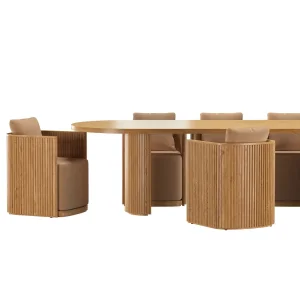
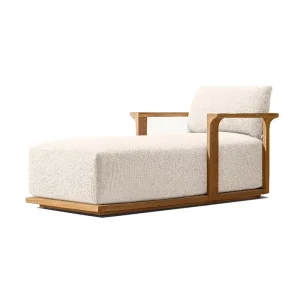
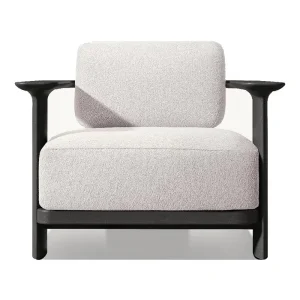
These additional product references support hotel, restaurant, villa, resort, garden, and commercial outdoor programs. Original product URLs remain linked below with the original descriptions preserved.
 JIANGYIREN Furniture