When considering the purchase of outdoor solid wood furniture, it's essential to assess various factors that can significantly influence your decision. The global market for outdoor furniture is projected to grow at a CAGR of 5.3% from 2021 to 2028, according to a report by Grand View Research. This highlights the increasing demand for high-quality outdoor furnishings, particularly those made from solid wood, which offers durability and aesthetic appeal. However, not all wood types are created equal.
Choosing outdoor solid wood furniture requires understanding the differences between hardwoods and softwoods. Hardwoods like teak and mahogany are prized for their strength and resistance to weathering. Conversely, softwoods such as pine may require more maintenance and are susceptible to degradation over time. Consider also the environmental impact of your choice. Many consumers seek sustainable options, emphasizing the importance of certification from organizations like the Forest Stewardship Council (FSC).
Reflecting on your lifestyle is crucial. Will the furniture endure heavy use, or will it primarily serve decorative purposes? The right choice depends on these questions. Ultimately, outdoor solid wood furniture can provide both functionality and style, but it requires thoughtful consideration to ensure it meets your needs effectively.
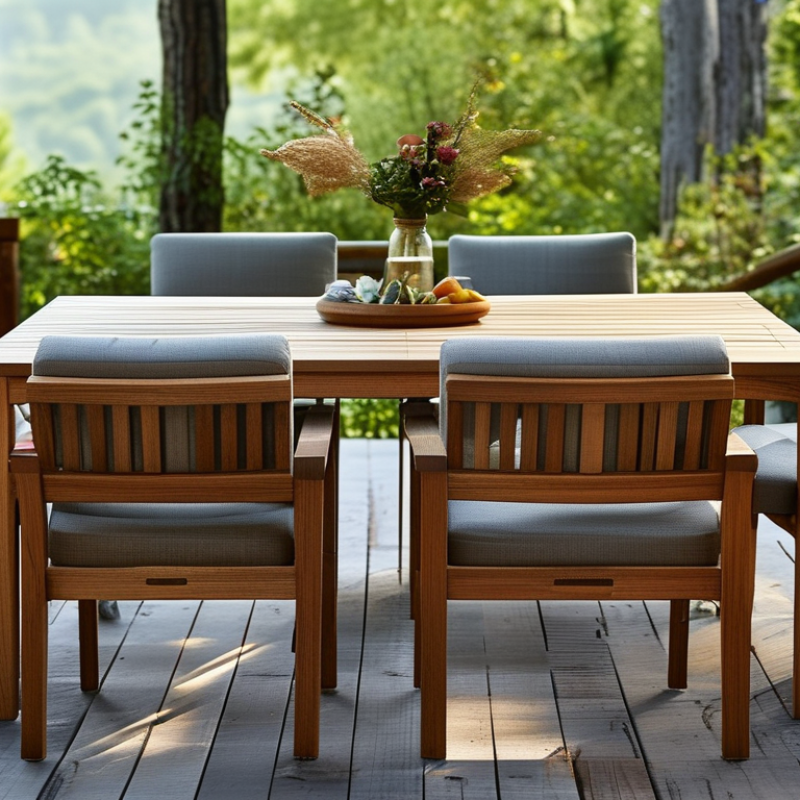
Understanding Different Types of Outdoor Solid Wood Materials and Their Benefits
When selecting outdoor solid wood furniture, understanding the materials is crucial.
Teak, for example, is renowned for its durability.
It withstands rain and sun without warping. The natural oils in teak help keep it resistant to pests.
However, it requires occasional maintenance to maintain its rich color.
Cedar is another popular choice.
Its lighter weight makes it easy to move, perfect for changing outdoor layouts.
Cedar also has a pleasant aroma and natural resistance to decay.
That said, it may fade over time if not properly cared for.
Users often find themselves torn between durability and aesthetic appeal.
Mahogany offers a deep, rich hue and is exceptionally strong.
However, mahogany trees take longer to grow, raising sustainability concerns.
It’s essential to consider the environmental impact of material choice.
Each wood type has pros and cons that should guide your selection process.
Ultimately, your needs and the local climate should drive the decision.
Make sure to reflect on these factors carefully.
Evaluating Climate Conditions and Their Impact on Wooden Furniture Durability
When selecting outdoor solid wood furniture, it's essential to consider climate conditions. Different woods react uniquely to varying environments. For instance, high humidity can cause wood to swell, while dry conditions may lead to cracks. Understanding these reactions is crucial for ensuring longevity.
Rain and sun exposure also play significant roles in determining durability. Prolonged exposure to UV rays can fade colors and weaken the wood. Thus, choosing a finish that provides UV protection can be wise. Additionally, consider where you live. If you reside in a coastal area, salt air can accelerate wear and tear on untreated wood.
Reflect on your specific needs as well. You might prefer a very resilient option, or you may appreciate the charm of natural aging. Each choice has its pros and cons. What works for one person may not suit another's lifestyle. The goal is to find a balance between durability and aesthetics. Examine how these factors align with your outdoor space and usage.
Assessing Design Styles to Complement Your Outdoor Living Space
When choosing outdoor solid wood furniture, design styles play a crucial role in enhancing your living space. Different styles can create distinct atmospheres. For instance, rustic designs emphasize natural finishes and raw edges, perfect for a cozy outdoor retreat. In contrast, modern styles may feature sleek lines and minimalistic elements, lending a contemporary vibe. According to the American Home Furnishings Alliance, 70% of consumers prefer furniture that complements their existing decor.
Understanding your outdoor space is essential. Consider the materials and colors that resonate with your environment. Light-colored woods, like teak, can brighten a shaded area. Darker woods, such as mahogany, can add depth to sunlit patios. A recent report from the International Furnishings and Design Association notes that 55% of homebuyers prioritize outdoor spaces when purchasing a home. This trend underscores the need to select pieces that not only function well but also enhance visual appeal.
In reflecting on personal preferences, balance between comfort and aesthetics is vital. Some styles may look appealing but might not suit your needs for durability or maintenance. For example, intricate carvings can attract attention but may require more upkeep. Your style choice should harmonize with both practicality and the desired ambiance, ensuring it’s more than a fleeting trend.
Outdoor Solid Wood Furniture Popular Design Styles
Important Maintenance Tips for Extending the Life of Outdoor Wood Furniture
Maintaining outdoor solid wood furniture is essential for ensuring its longevity. According to a study published by the American Society for Testing and Materials, treated wood can last up to 25 years if properly cared for. Without maintenance, this lifespan dramatically decreases. Regular cleaning is such a simple yet effective step. Use mild soap and water to wipe down surfaces, removing dirt and grime that can cause deterioration.
Applying a protective sealant is crucial too. This not only enhances the wood's appearance but also offers defense against moisture and UV rays. Data from the Forest Products Laboratory indicates that wood treated with sealant can resist damage caused by weather for up to five years. However, reapplication is necessary, as sealants wear off. Inspect furniture every season for cracks or signs of mold. Addressing these issues promptly can save you from costly repairs later.
Consider the position of your furniture as well. Placing items in shaded areas can reduce sun damage. It’s a common oversight to underestimate environmental factors. Additionally, using covers during adverse weather can protect against rain and snow. Remember that neglecting maintenance can lead to a significantly shortened lifespan for your beloved pieces. Awareness and proactive care can make all the difference in preserving the beauty and functionality of outdoor wood furniture.
Analyzing Cost Factors: Balancing Quality and Affordability in Wood Furniture
Choosing outdoor solid wood furniture involves navigating cost factors while balancing quality and affordability. According to a report by the American Home Furnishings Alliance, the price of wood furniture can vary significantly due to materials, craftsmanship, and brand reputation. High-quality teak or cedar furniture may command prices ranging from $800 to $1,500 for a dining set. However, lower-cost alternatives made from softer woods can be found for $300 to $600.
Quality wood furniture often includes features such as superior joinery, weather-resistant finishes, and thorough craftsmanship. Research indicates that consumers typically choose furniture that lasts longer, even if the upfront cost is higher. A survey found that 72% of buyers are willing to pay more for durable items. However, balancing this aspect with budget constraints is essential.
While opting for cheaper options can save money upfront, it may lead to frequent replacements. Many customers report dissatisfaction with low-cost wood furniture due to issues like warping or fading. This reflects a need for careful consideration of long-term costs versus initial investments. Ultimately, finding the right balance requires reflection on personal needs, budget, and the desired lifespan of the furniture.
How to Choose the Best Outdoor Solid Wood Furniture for Your Needs - Analyzing Cost Factors: Balancing Quality and Affordability in Wood Furniture
| Furniture Type |
Material Quality |
Average Cost ($) |
Durability (Years) |
Maintenance Level |
| Adirondack Chair |
High |
250 |
15 |
Low |
| Dining Table |
Medium |
600 |
20 |
Medium |
| Lounge Sofa |
High |
800 |
25 |
High |
| Coffee Table |
Medium |
300 |
10 |
Low |
| Bench |
High |
400 |
18 |
Medium |
FAQS
: Treated wood can last up to 25 years with proper maintenance.
Regular cleaning is essential. Wipe surfaces with mild soap and water as needed.
Sealant enhances appearance and defends against moisture and UV damage.
Sealants can resist weather damage for up to five years but need reapplication.
Place furniture in shaded areas to reduce sun damage. It’s often overlooked.
Neglect can lead to a short lifespan and costly repairs in the long run.
They may save money upfront but often require frequent replacements due to issues.
Look for superior joinery, weather-resistant finishes, and detailed craftsmanship.
Many are willing to spend more for durability, valuing long-term cost-effectiveness.
Reflect on personal needs, budget, and desired lifespan when making a decision.
Conclusion
When choosing the best Outdoor Solid Wood Furniture for your needs, it is essential to first understand the various types of wood materials available and their unique benefits, such as durability and aesthetics. Evaluating your local climate conditions will also play a pivotal role, as certain woods perform better in specific environments, impacting the longevity of your furniture. Additionally, consider the design styles that will complement your outdoor living space, ensuring that your choices enhance the overall ambiance.
Remember, maintaining Outdoor Solid Wood Furniture is crucial for extending its lifespan. Regular care and appropriate treatments can protect against weather-related wear. Lastly, analyze the cost factors involved, striking a balance between quality and affordability to ensure you invest wisely in your outdoor furnishings. By considering these aspects, you can make an informed decision that fits both your lifestyle and budget.

 JIANGYIREN Furniture