The global demand for aluminum furniture has soared in recent years. This surge is driven by its lightweight nature, durability, and modern aesthetic appeal. Buyers today seek options that not only serve practical purposes but also enhance their living spaces.
China, with its robust manufacturing capabilities, has emerged as a leading supplier of aluminum furniture. Various styles and designs cater to diverse preferences. This article explores the top ten aluminum furniture options from China. It aims to guide global buyers in making informed choices.
While the options are abundant, not every piece may meet high standards. Some products might lack the quality or innovation expected. Buyers must weigh their choices carefully, ensuring that they select reliable and stylish aluminum furniture pieces.
Overview of Aluminum Furniture Industry in China
Aluminum furniture has become increasingly popular in recent years. This growth reflects the industry's ability to meet modern demands. China stands at the forefront of this trend. The country excels in aluminum production, thus becoming a key player in the global market. The lightweight nature of aluminum makes it an attractive choice for many buyers.
Tips for buyers: Consider the weight and durability of the furniture. Lightweight options are beneficial for transportation. However, not all lightweight items are equally sturdy. Ensure to inspect the quality before making a purchase.
Sustainability is another driving factor. Aluminum is fully recyclable, appealing to eco-conscious consumers. Furthermore, the variety of designs and finishes caters to diverse aesthetics. Some producers excel in customization, while others may struggle with consistency.
When exploring options, it's vital to assess the craftsmanship. Some manufacturers may cut corners during production. Look for detailed workmanship and reliable suppliers. This can prevent potential disappointments down the line.
Top Features That Define Quality Aluminum Furniture
When considering aluminum furniture, several features stand out for global buyers.
Durability is paramount. Quality aluminum can withstand different weather conditions.
This makes it ideal for outdoor settings or spaces with variable climates.
Look for furniture with powder-coated finishes for added weather resistance. Such finishes help prevent rust and corrosion over time.
Weight is another important factor. Aluminum is lightweight, making it easy to move and rearrange. However, this also means some pieces may not be as stable in windy conditions.
Ensure that your chosen designs have a solid construction. Solid legs or anchor points can maintain stability.
Tips: Check the joints and welding quality. Poorly made joints can weaken the structure.
Remember, style matters as well.
Aesthetically pleasing designs can enhance your space. Don't sacrifice comfort for looks. Ensure the seating is ergonomic and well-padded for maximum enjoyment.
Leading Chinese Manufacturers of Aluminum Furniture
When exploring aluminum furniture manufacturing in China, various top manufacturers stand out. These companies specialize in creating durable and stylish aluminum pieces suited for diverse global markets. Their commitment to quality is evident in the materials they use and the craftsmanship they demonstrate.
One notable aspect is the use of advanced technology in production. Many manufacturers employ state-of-the-art machinery to ensure precision. Additionally, skilled artisans play a vital role in refining each piece. However, there is still room for improvement in sustainability practices within some firms. Although many are making strides, recycling and energy efficiency can still be enhanced.
Innovation is also key among leading producers. They continually adapt to evolving trends and consumer preferences. Some manufacturers struggle to keep pace with global design fads. This gap in understanding market demands sometimes leads to products that miss the mark. Despite these challenges, the overall landscape of aluminum furniture in China remains promising for global buyers.
Popular Styles of Aluminum Furniture for Global Markets
Aluminum furniture has been gaining popularity worldwide. This trend is due to its lightweight nature and durability. Global buyers are increasingly drawn to various styles that blend functionality with aesthetics. One popular option is minimalist contemporary designs, which often feature clean lines and simple shapes. These pieces can enhance any modern interior or outdoor space.
Another rising trend is retro aluminum furniture, reminiscent of mid-century designs. These items often incorporate vibrant colors and unique motifs. They offer a nostalgic feel while remaining sturdy and weather-resistant. Additionally, modular aluminum furniture allows for adaptability in space configuration. This versatility makes it an attractive choice for many consumers.
While aluminum furniture is appealing, buyers should consider potential downsides. For instance, some designs may lack warmth compared to wooden counterparts. Furthermore, not all aluminum pieces are created equal. Quality can vary significantly among manufacturers. Buyers need to research and inspect products closely before making a purchase.
Sustainability and Environmental Impact of Aluminum Furniture
Aluminum furniture is gaining popularity due to its sustainability and low environmental impact. A report by the International Aluminum Institute highlights that over 75% of aluminum produced is still in use today. This showcases its potential for recycling, making it an eco-friendly option. The life cycle of aluminum furniture often involves less energy use compared to other materials. For instance, producing aluminum from recycled sources requires 95% less energy than from raw bauxite.
Despite its advantages, challenges remain. The extraction of bauxite can lead to habitat destruction and water pollution. Some communities near mines report issues related to health and environment. Moreover, while aluminum is recyclable, not all products end up being recycled at the end of their life. The Recycling Rate Report states that only about 50% of aluminum products are recycled globally. Enhancing recycling infrastructures is crucial to mitigate this issue.
Many designers are now exploring innovative ways to minimize waste during the production process. Efforts include using advanced manufacturing techniques that reduce scrap. Additionally, raising consumer awareness about the importance of recycling aluminum furniture can lead to better outcomes. This dual focus on production methods and consumer education can pave the way for a more sustainable future in furniture design.
China Top 10 Aluminum Furniture Options for Global Buyers
| Model |
Dimensions (L x W x H) |
Weight (kg) |
Sustainability Rating |
Environmental Impact |
| Model A1 |
150 x 75 x 75 cm |
20 |
High |
Recyclable materials |
| Model B2 |
160 x 80 x 75 cm |
25 |
Medium |
Low CO2 emissions |
| Model C3 |
140 x 70 x 70 cm |
18 |
Very High |
Sustainable sourcing |
| Model D4 |
170 x 85 x 75 cm |
30 |
High |
Uses recycled aluminum |
| Model E5 |
155 x 75 x 75 cm |
22 |
Medium |
Minimized waste production |
| Model F6 |
165 x 85 x 70 cm |
28 |
High |
Minimal ecological footprint |
| Model G7 |
150 x 80 x 80 cm |
21 |
Very High |
Utilizes renewable energy |
| Model H8 |
160 x 90 x 75 cm |
27 |
Medium |
Responsible materials sourcing |
| Model I9 |
145 x 75 x 70 cm |
19 |
Very High |
Fully recyclable |
| Model J10 |
175 x 80 x 76 cm |
24 |
High |
Low environmental impact |
FAQS
: Aluminum furniture is lightweight and durable, appealing to modern buyers. Its recyclability also attracts eco-conscious consumers.
Buyers should assess the weight and durability of the pieces. Not all lightweight items boast equal sturdiness; quality matters.
Aluminum is fully recyclable, making it an eco-friendly choice. However, some manufacturers need to improve their sustainability practices.
Inspect for detailed workmanship in the furniture. Some manufacturers may cut corners, leading to potential disappointments.
Many producers excel in quality, but some may struggle with consistency. Research suppliers before purchasing.
Advanced machinery enhances precision, while skilled artisans refine each item. Still, some firms need better sustainability measures.
Leading producers often innovate to meet evolving designs. Yet, some might not keep up, resulting in missed market opportunities.
Evaluate both craftsmanship and design. Focus on reliable suppliers to avoid future issues with your purchase.
Conclusion
The aluminum furniture industry in China has witnessed significant growth, becoming a popular choice for global buyers due to its durability and modern aesthetics. Key features that define quality aluminum furniture include lightweight designs, resistance to corrosion, and versatility in styling, making it suitable for various environments. Leading manufacturers in China excel in producing a wide range of aluminum furniture that caters to diverse tastes and functional needs, enhancing its global appeal.
Popular styles of aluminum furniture, such as contemporary patio sets and minimalist indoor tables, are increasingly favored in international markets, reflecting modern design trends. Additionally, the industry's emphasis on sustainability highlights the environmental benefits of aluminum as a recyclable material, contributing to responsible consumption. As global buyers continue to seek stylish and eco-friendly options, China's aluminum furniture stands out as an attractive solution in the competitive furniture landscape.
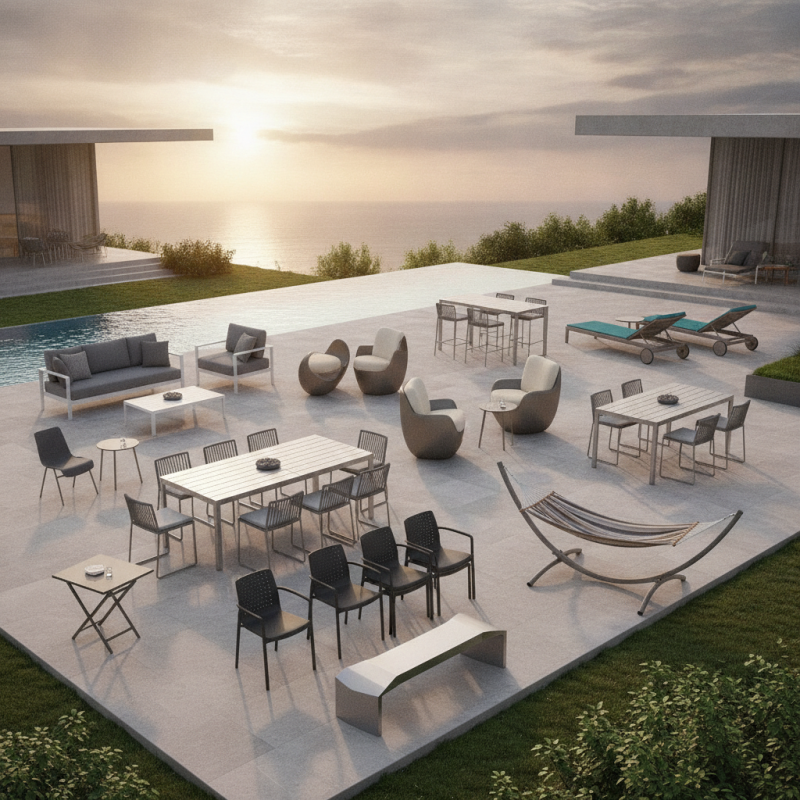

 JIANGYIREN Furniture