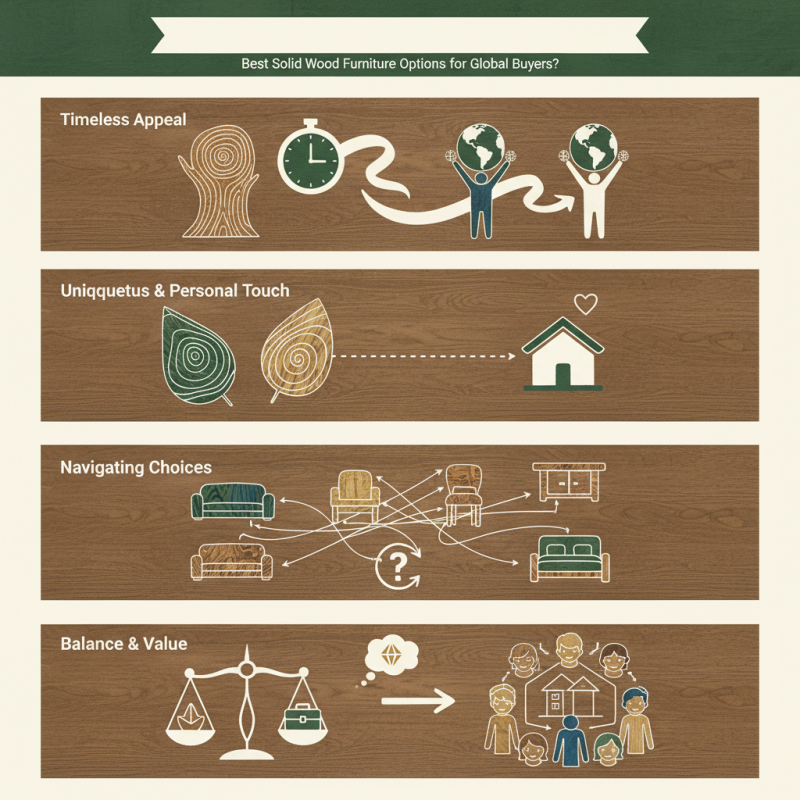
In the world of home decor, "Solid Wood Furniture" has earned a distinguished reputation. Experts like Johnathan Reed, a renowned furniture designer, emphasize its timeless appeal. He states, "Solid wood embodies both quality and beauty, standing the test of time." This sentiment resonates with buyers across the globe, seeking durability and elegance.
The allure of solid wood lies in its uniqueness. Each piece tells a story, showcasing natural grains and patterns. Buyers appreciate that no two items are identical, offering a personal touch to their spaces. However, the choice can be daunting. Different types of wood, finishes, and styles create a complex landscape to navigate.
Many buyers face common pitfalls. They may prioritize style over functionality, leading to regrets. Solid wood furniture should blend seamlessly into one's lifestyle. Understanding the balance between aesthetics and purpose is crucial. Reflecting on choices empowers buyers to find pieces that truly resonate with their values and needs.
Types of Solid Wood Ideal for Furniture Manufacturing
When selecting solid wood for furniture manufacturing, various types of wood stand out for their durability and aesthetic appeal. Hardwoods like oak and maple are often favored due to their strength. Oak, for instance, is not only tough but also features prominent grain patterns. Maple offers a fine texture, making it ideal for polished surfaces. According to industry reports, hardwoods account for about 75% of the total market share in solid wood furniture production. This reflects a growing preference for durable materials.
Softwoods such as pine and cedar also have a place in furniture making. Pine is lightweight and cost-effective, appealing to budget-conscious buyers. However, it is less resistant to dents and scratches. Cedar, known for its natural resistance to rot, is excellent for outdoor furniture. Yet, softer woods typically require more maintenance over time. Some reports indicate that over 60% of consumers prefer hardwood due to its longevity. It's crucial to understand the specific needs of your market when choosing wood types.
On the downside, wood can warp or crack if not properly cared for. Environmental factors play a significant role in this. Using a humidifier in dry climates can help maintain wood integrity. Additionally, sourcing responsibly can be a challenge. Reports suggest that sustainable forest management practices are crucial but not always adhered to. Buyers must remain vigilant regarding wood sourcing to ensure ethical practices.
Key Factors in Choosing Solid Wood Furniture
When considering solid wood furniture, several key factors come into play. The choice of wood type is crucial. Hardwoods like oak, maple, and walnut are known for their durability and longevity. According to the Wood Products Council, hardwoods outlast softwoods by a significant margin, making them a wise investment for buyers looking to retain value over time.
Finish and maintenance options also deserve attention. Many buyers appreciate a natural finish, which highlights the wood's grain and enhances its character. However, some finishes require more upkeep than others. For example, oils may provide a warmer look, but they can demand regular reapplication. In a survey by the Furniture Today publication, 42% of consumers indicated that maintenance was a significant concern when choosing furniture.
Tips: Always ask about the wood's origin and sustainability. A credible supplier should provide information that assures responsible sourcing. Understanding the environmental impact of your purchase can influence your decision.
Another factor to consider is craftsmanship. Handcrafted furniture often showcases unique details and superior joinery techniques. However, this may come at a higher price. Evaluating a piece's construction can help buyers differentiate between mass-produced items and quality craftsmanship. Remember, not all beautiful pieces are built to last, and an eye for detail can save you from costly mistakes.
Best Solid Wood Furniture Options for Global Buyers - Key Factors in Choosing Solid Wood Furniture
| Type of Furniture |
Wood Type |
Sustainability Rating |
Durability |
Price Range (USD) |
| Dining Table |
Oak |
High |
High |
500 - 1500 |
| Sofa |
Teak |
Medium |
High |
800 - 2000 |
| Bookshelf |
Walnut |
High |
Medium |
300 - 1000 |
| Bed Frame |
Mahogany |
Medium |
High |
600 - 1800 |
| Desk |
Cherry |
High |
Medium |
400 - 1200 |
Top Solid Wood Furniture Styles for Diverse Global Markets
Solid wood furniture remains a popular choice among global buyers, thanks to its durability and timeless appeal.
According to a recent report by the International Wood Products Association, the solid wood furniture market is expected to grow by 6% annually through 2027.
This growth indicates a strong consumer preference for natural materials over synthetic alternatives, reflecting a desire for sustainable living.
Different styles dominate various markets. Scandinavian designs emphasize minimalism and functionality, while traditional styles often showcase ornate carvings.
For instance, the demand for rustic farmhouse furniture has surged, appealing to buyers seeking cozy aesthetics.
A survey from Furniture Today highlighted that 72% of consumers prefer solid wood over particle board for its longevity.
However, not all wood types are created equal. Buyers should research the sourcing of materials to avoid unsustainable practices, which can be detrimental to the environment.
Despite their many benefits, solid wood pieces can be pricey. This pricing often leads consumers to question their investment. Proper maintenance is crucial.
Many buyers are unaware that humidity can warp wood, leading to regrets later. Additionally, trends can shift quickly, impacting resale value.
Consumers should balance current design trends with timeless styles to ensure their purchases remain relevant.
Sustainability Practices in Solid Wood Furniture Production
Sustainability is a crucial factor in solid wood furniture production. The global furniture industry is witnessing a shift towards eco-friendly practices. Reports indicate that around 70% of consumers prefer sustainable furniture options. This preference is reshaping how manufacturers source their materials and design their products.
A significant aspect of sustainability involves responsible sourcing. Many companies are turning to certified woods, such as those from the Forest Stewardship Council (FSC). Those certifications ensure that the wood comes from well-managed forests. However, the challenge remains in fully tracing the supply chain. In some cases, wood labeled as sustainable still raises questions about its origins. Therefore, buyers should seek transparency from manufacturers.
Another vital practice is reducing waste during production. Data shows that furniture production can generate up to 50% waste. To combat this, innovative methods are being employed. Some manufacturers repurpose offcuts or excess materials into new products. This approach not only lessens waste but also supports a circular economy. While progress is evident, constant improvement is essential. Stakeholders must prioritize eco-friendly practices to meet rising consumer expectations.
Maintaining and Caring for Solid Wood Furniture Pieces
When it comes to solid wood furniture, caring for these pieces is crucial for longevity.
Dust regularly with a soft, dry cloth to prevent scratches. Avoid using harsh chemicals; they can strip the wood's natural oils. Instead, a mix of
mild soap and water works wonders for cleaning.
Humidity levels can affect wood significantly. Keeping furniture in a stable environment is essential. Use a humidifier or dehumidifier to regulate moisture. This helps prevent warping or cracking. Checking for any signs of damage is important. Small scratches can often be treated with wood polish.
Consider using coasters to protect surfaces from heat and moisture. Excessive exposure can lead to lasting marks. Remember, every piece tells a story.
Embrace the imperfections that come with age. They add character and charm. Caring for solid wood is about respect and understanding its unique journey.
FAQS
: Hardwoods like oak and maple are preferred for their durability and aesthetic appeal.
Pine is lightweight and cost-effective, but it is less resistant to dents and scratches.
Softer woods, such as cedar, require more care over time to remain in good condition.
Humidity can warp or crack wood, making proper care crucial in dry climates.
A growing preference for sustainability and natural materials drives consumer choices today.
Responsible sourcing ensures wood comes from sustainable forests, minimizing environmental impact.
Some manufacturers repurpose offcuts to create new products, supporting a circular economy.
Solid wood pieces can be pricey, so proper care is essential to protect that investment.
Buyers should research wood sourcing and ensure they're not contributing to unsustainable practices.
Trends can shift quickly, affecting the resale value and relevance of furniture styles over time.
Conclusion
The article titled "Best Solid Wood Furniture Options for Global Buyers" explores various facets of solid wood furniture, making it a comprehensive guide for potential buyers. It begins by outlining the types of solid wood that are particularly suitable for furniture manufacturing, emphasizing the durability and aesthetic appeal of different wood species. Key factors in choosing solid wood furniture are discussed, including construction quality, design preferences, and suitability for specific climates.
Additionally, the article highlights popular solid wood furniture styles that cater to diverse global markets, promoting cultural relevance and versatility. It also addresses sustainability practices in solid wood furniture production, underscoring the importance of eco-friendly sourcing and manufacturing techniques. Lastly, the piece provides valuable tips on maintaining and caring for solid wood furniture pieces to ensure their longevity and beauty. Overall, this guide serves as an essential resource for anyone interested in investing in solid wood furniture.

 JIANGYIREN Furniture