China Best Garden Furniture for Global Buyers to Consider?

Time:2026-05-26 Author:Henry
0%

As the global market for garden furniture expands, buyers face a myriad of choices. Renowned industry expert, John Evers, states, "The right garden furniture transforms outdoor spaces into personal retreats." His insight emphasizes the importance of quality and design in this competitive market. With various materials and styles available, selecting appropriate garden furniture can be overwhelming.

China has emerged as a key player in this sphere, producing a wide range of products to suit different tastes and budgets. From classic wooden sets to modern metal designs, the options are plentiful. However, buyers must approach their decisions with care and knowledge. The trend towards sustainable materials is growing, and many brands are beginning to adopt eco-friendly practices.

A well-informed buyer should consider durability, weather resistance, and aesthetic appeal when choosing garden furniture. Each piece should not only serve a practical purpose but also enhance the overall look of their space. While the choices may seem daunting, the perfect garden furniture can elevate a simple backyard into an inviting oasis.
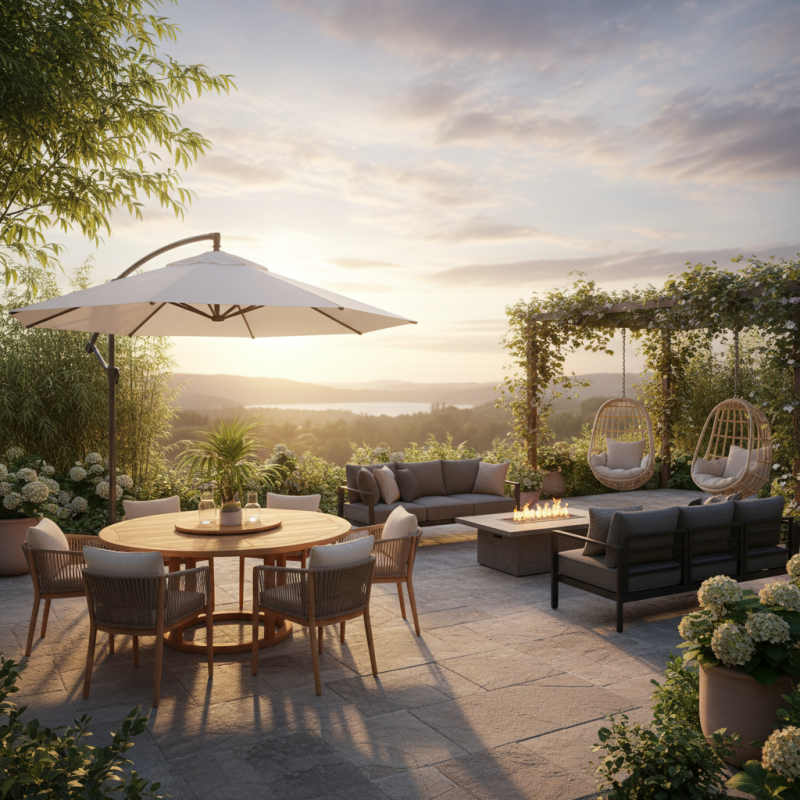
China Best Garden Furniture for Global Buyers to Consider?

China's Role in Global Garden Furniture Manufacturing and Sales

China plays a crucial role in global garden furniture manufacturing. This country has established itself as a top producer. Its factories create a wide range of styles and materials. From aluminum to wood, buyers find countless options. China's rich resources and skilled labor drive down production costs. This makes it easier for international buyers to source affordable products. However, lower prices can also raise questions about quality.

Many companies are increasingly prioritizing sustainable practices. They aim to minimize waste in production processes. Yet, challenges remain in ensuring ethical labor practices. Some manufacturers face scrutiny over working conditions. Reliability and transparency are vital for global buyers. They seek partners who share their values on sustainability. Clear communication can help build trust throughout the supply chain.

Buyers often need to navigate the complexity of importing. Differences in regulations can complicate transactions. It’s important to do thorough research before making commitments. Understanding local standards and certifications is key. Building strong relationships with suppliers leads to better outcomes. The journey in global sourcing can be challenging but rewarding. Each decision shapes long-term success.

Key Characteristics of High-Quality Garden Furniture from China

When considering garden furniture from China, focus on durability and materials. High-quality options often utilize weather-resistant materials like aluminum and teak. These materials resist corrosion and fading, ensuring longevity. Buyers should pay attention to the details in construction. Well-assembled pieces will offer stability and safety during use.

Aesthetic appeal is also important. Choose designs that complement outdoor spaces. Look for versatile colors and styles that can adapt to various themes. Textures matter too. Smooth finishes can elevate the visual experience, while rough textures may add character. However, it’s wise to inspect these surfaces for evenness and quality.

Price often reflects quality, but be wary of extremely low-cost options. They can compromise durability and comfort. Take the time to read reviews and seek recommendations. Authentic feedback provides insights into performance over time. Some may overlook minor imperfections in craftsmanship. It’s essential to weigh these aspects against overall value.

Top Characteristics of High-Quality Garden Furniture from China

Popular Materials Used in Chinese Garden Furniture Production

Chinese garden furniture is gaining popularity due to its diverse materials. Common materials include teak, aluminum, and wicker. Each has its advantages, impacting durability and aesthetics.

Teak is often favored for its natural resistance to moisture. A report from the International Furniture Fair highlights that teak furniture has a lifespan of over 50 years when properly maintained. However, its high cost may deter some buyers. Aluminum, on the other hand, offers a lightweight and rust-resistant option. It is affordable and ideal for outdoor use. Yet, aluminum furniture may lack the elegance of natural wood.

Wicker is another popular choice, typically made from rattan or synthetic materials. It's known for its flexibility and comfort. However, synthetic wicker may not always be eco-friendly. A study by the Global Institute of Furniture Design notes that over 30% of buyers now prefer sustainable materials. This trend highlights the growing importance of environmental considerations in purchasing decisions. Buyers face a dilemma; balancing personal taste with eco-consciousness can be challenging.

Market Trends: Preferences of Global Buyers for Chinese Garden Furniture

In recent years, global buyers have shown a growing interest in Chinese garden furniture. Market research indicates that approximately 65% of international consumers prioritize durability and weather resistance in outdoor furniture. Different materials, such as aluminum and teak, dominate preferences, appealing to buyers seeking longevity.

An increasing trend is the shift toward eco-friendly options. Reports reveal that 58% of buyers appreciate furniture made from sustainable materials. This shift reflects a broader commitment to environmental sustainability. However, not all manufacturers meet these eco-conscious standards, raising questions about product authenticity and sourcing practices.

Aesthetic appeal remains crucial as well. Statistics suggest that 70% of buyers are influenced by design trends. From minimalist styles to vibrant colors, buyers seek pieces that enhance outdoor spaces. Despite this, some consumers report dissatisfaction with available designs. They often find limited options that blend style and functionality effectively. This gap presents opportunities for improvement and innovation within the industry.

Sustainability Practices in China's Garden Furniture Industry

Sustainability is becoming a key focus in China's garden furniture industry. Recent reports indicate that over 40% of manufacturers are adopting eco-friendly materials. Bamboo and recycled plastics are leading examples. These materials not only reduce environmental impact but also attract buyers looking for sustainable options.

Tips: Consider asking suppliers about their sourcing practices. Understanding their material choices can show their commitment to sustainability.

However, challenges remain. Many companies still rely on traditional materials. This practice often contradicts their sustainable claims. Regulatory standards are also evolving, which can create confusion among manufacturers. A shift toward greater transparency is essential.

Tips: Look for certifications like FSC or ISO in product descriptions. These can help identify truly sustainable products.

The demand for sustainable garden furniture is growing globally. Buyers are increasingly aware of their impact on the environment. In China, efforts to align with these expectations are gaining momentum. Yet, the journey toward sustainability is ongoing and requires constant reevaluation.

FAQS

: What materials should I consider for durable garden furniture?

: Look for weather-resistant materials like aluminum and teak. They resist corrosion and fading.

How important is construction quality in garden furniture?

Pay attention to details in construction. Well-assembled pieces offer stability and safety.

Why is aesthetic appeal important for garden furniture?

Choose designs that complement outdoor spaces. Colors and styles should adapt to various themes.

How can I evaluate the textures of garden furniture?

Inspect surfaces for evenness and quality. Smooth finishes elevate visuals; rough textures may add character.

Does price guarantee quality in garden furniture?

Price often reflects quality, but be cautious of very low-cost options. They may compromise durability.

What trends are influencing buyers of garden furniture?

Many consumers focus on durability and eco-friendly options, prioritizing sustainable materials.

Are there limitations in current garden furniture designs?

Some buyers feel dissatisfied with available designs. Limited options can hinder style and functionality.

Should I trust reviews when buying garden furniture?

Yes, authentic feedback offers insights into performance. Take time to read reviews and seek recommendations.

What challenges exist in eco-friendly garden furniture?

Not all manufacturers meet sustainable standards. This raises questions about product authenticity and sourcing.

How can minor imperfections affect my decision?

Weigh minor craftsmanship issues against overall value. Sometimes, these imperfections can be overlooked in quality.

Conclusion

China has emerged as a pivotal player in the global garden furniture market, combining traditional craftsmanship with modern manufacturing techniques. High-quality garden furniture from China is characterized by durability, innovative designs, and the use of diverse materials such as wood, metal, and synthetic fibers. This variety meets the evolving preferences of global buyers who increasingly seek stylish yet functional outdoor solutions.

As market trends shift, sustainability has become a crucial consideration, with many manufacturers adopting eco-friendly practices to reduce their environmental impact. Overall, China's garden furniture sector not only caters to international demands for aesthetic and durable outdoor products but also leads in incorporating sustainable methods, making it a key destination for global buyers looking to enhance their outdoor spaces.

Henry

Henry

Henry is a dedicated marketing professional with a profound expertise in the company's offerings. With years of experience in the industry, he possesses an impressive understanding of the market dynamics and consumer behaviors that drive success. Henry is committed to sharing his insights through......